In a fast-evolving financial landscape, many investors are increasingly adopting a 3-year investment horizon and labeling it as “long term investments” While traditionally long-term investing implied a period of 5 to 10 years or more, market dynamics, technological disruption, and investor behavior have shortened perceived timelines. But is this redefinition justified? Let’s examine this through a global lens.
Global Market Perspectives on 3-Year Long Term Investments
| Country | Traditional Long Term | Is 3 Years Enough? | Real Examples of 3-Year Underperformance | Key Factors |
|---|---|---|---|---|
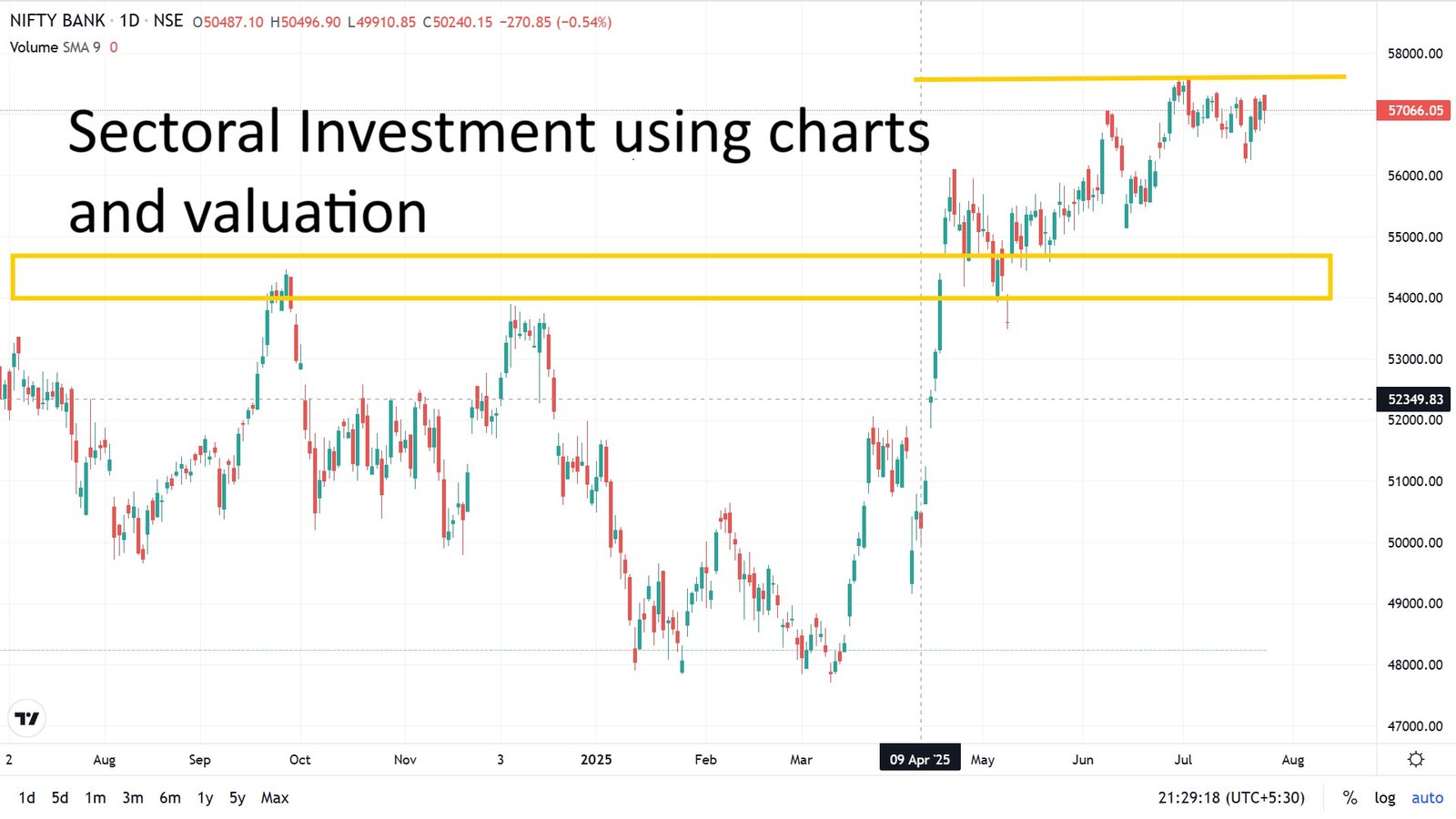
| India | 5–7 years | Maybe Not | Nifty 50 (2010–2013): Only ~3% CAGR Midcap crash (2017–2020): Many stocks down >40% | Elections, inflation, demonetization, and pandemic impacted short-term performance despite long-term promise. |
| USA | 5–10 years | Rarely | Nasdaq Composite (2000–2003): ~70% fall post-dot-com S&P 500 (2007–2010): -10% to flat due to GFC | Market crashes and recoveries span years. Short stints often miss either side of the cycle. |
| Japan | 10+ years | No | Nikkei 225 (1990–2003): Consistent 3-year periods of negative/flat returns for over a decade | Lost decade after asset bubble burst; long-term deflationary stagnation. |
| UK | 5–8 years | Uncertain | FTSE 100 (2015–2018): Flat to negative Brexit Vote Period (2016–2019): Global uncertainty hit returns | Political instability and global trade tensions limited growth over short windows. |
| China | 7–10 years | Risky | Shanghai Index (2015–2018): -40% crash and slow recovery 2020–2023: Tech crackdown led to major underperformance | Government regulations, unpredictable macro shifts, and lack of transparency. |
Across all major economies, 3-year periods often reflect local shocks, political transitions, or global events that distort performance. These examples confirm that true long term investments cannot be reliably compressed into 3 years, especially in equities. The same thing applies for other asset classes like gold and land where external political, geological & economic factors play a crucial role in valuation of the assets.
Reference: https://www.marketwatch.com/story