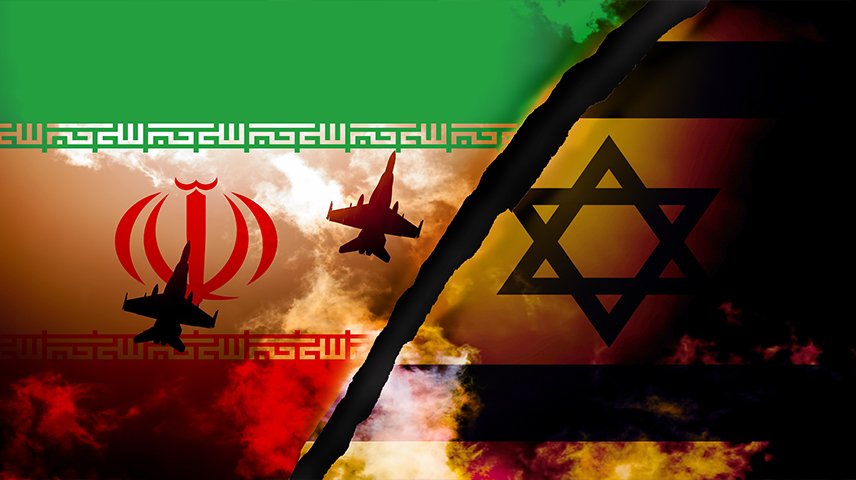
If the Iran Israel war escalates, the global fallout could be both immediate and far-reaching, with strong implications for geopolitics, global trade, and market dynamics—particularly in oil-import dependent countries like India.
1. Huge Risk of Escalation if Iran Continues Escalation
The biggest fear lies in Iran’s retaliation, which could turn a bilateral conflict into a regional war. Iran controls a vast network of proxy groups, including Hezbollah in Lebanon, Houthis in Yemen, and various militia groups in Iraq and Syria. Continued Iran Israel War could activate these proxies to target Israel or U.S. interests, triggering counterstrikes and drawing in other global powers. Such a situation could even bring into play cyberattacks or attempts on nuclear facilities, deepening global security concerns.
2. Possibility of Other Gulf Nations Getting Involved
Another major concern is the involvement of other Gulf nations. Countries like Saudi Arabia, UAE, Qatar, and Bahrain, while having diverse stances on Iran and Israel, may be forced into political or military action either due to domestic pressure or regional alliances. U.S. military presence in the region could also pull these nations in unintentionally. This could fracture fragile regional diplomacy and further complicate peace processes such as the Abraham Accords.
3. Oil Price Surge – A Blow to Import-Dependent Nations like India
With oil prices already up 12% – $77 a barrel, a full-blown Iran Israel war could push crude to $90–$100/barrel or more. For a country like India, which imports more than 80% of its oil, this is a massive economic vulnerability. Rising crude costs will lead to higher inflation, increased trade deficit, and currency depreciation. This could force the RBI to pause or reverse interest rate cuts, and the government may face fiscal pressures due to subsidy burdens or reduced spending flexibility.
4. Export Disruption – Supply Chains Under Threat
The conflict also poses a serious risk to Indian exporters, especially those catering to the Middle East and European markets. India exports textiles, agricultural products, gems and jewellery, and engineering goods in large volumes to these regions. If major ports or air routes are disrupted—or if Red Sea and Suez Canal routes face attacks—it would result in shipment delays, higher insurance costs, and lost revenues. This disruption could be severe enough to impact quarterly earnings and alter trade growth projections.
5. Inflation Rise – Pause on Rate Cut
Amidst these step by step escalations in Iran Israel War, there is a risk of inflation rising again and the expectation of RBI cutting Repo rate in coming meetings might go on a pause.
6. Check Impact on Stock Market Sectors
| Sector | Impact Type | Reason |
|---|---|---|
| Oil & Gas (Upstream) | Positive | Rising crude prices benefit companies like ONGC, Oil India |
| Refiners/Oil Marketing | Negative | Input cost pressure on IOCL, BPCL, HPCL |
| Aviation | Negative | Higher jet fuel costs for IndiGo, SpiceJet |
| Paints/Chemicals | Negative | Crude-based input inflation for Asian Paints, Pidilite |
| FMCG & Auto | Negative | Rising logistics and raw material costs affecting HUL, Maruti |
| Logistics/Shipping | Negative | Supply chain delays for Blue Dart, Allcargo |
| Exporters (Textiles, Agri, Gems) | Negative | Logistic bottlenecks and falling demand |
| Defence | Positive | Rise in demand benefits HAL, BEL, Data Patterns |
| Gold & Precious Metals | Neutral to Positive | Safe-haven demand benefits gold loan firms like Muthoot |
References:
https://www.ft.com/content/7824c70d-0b47-48b8-832a-b8210543ee9d?
https://www.reuters.com/world/india/india-central-bank-likely-steps-after-rupee-buckles-under-oil-shock-2025-06-13/