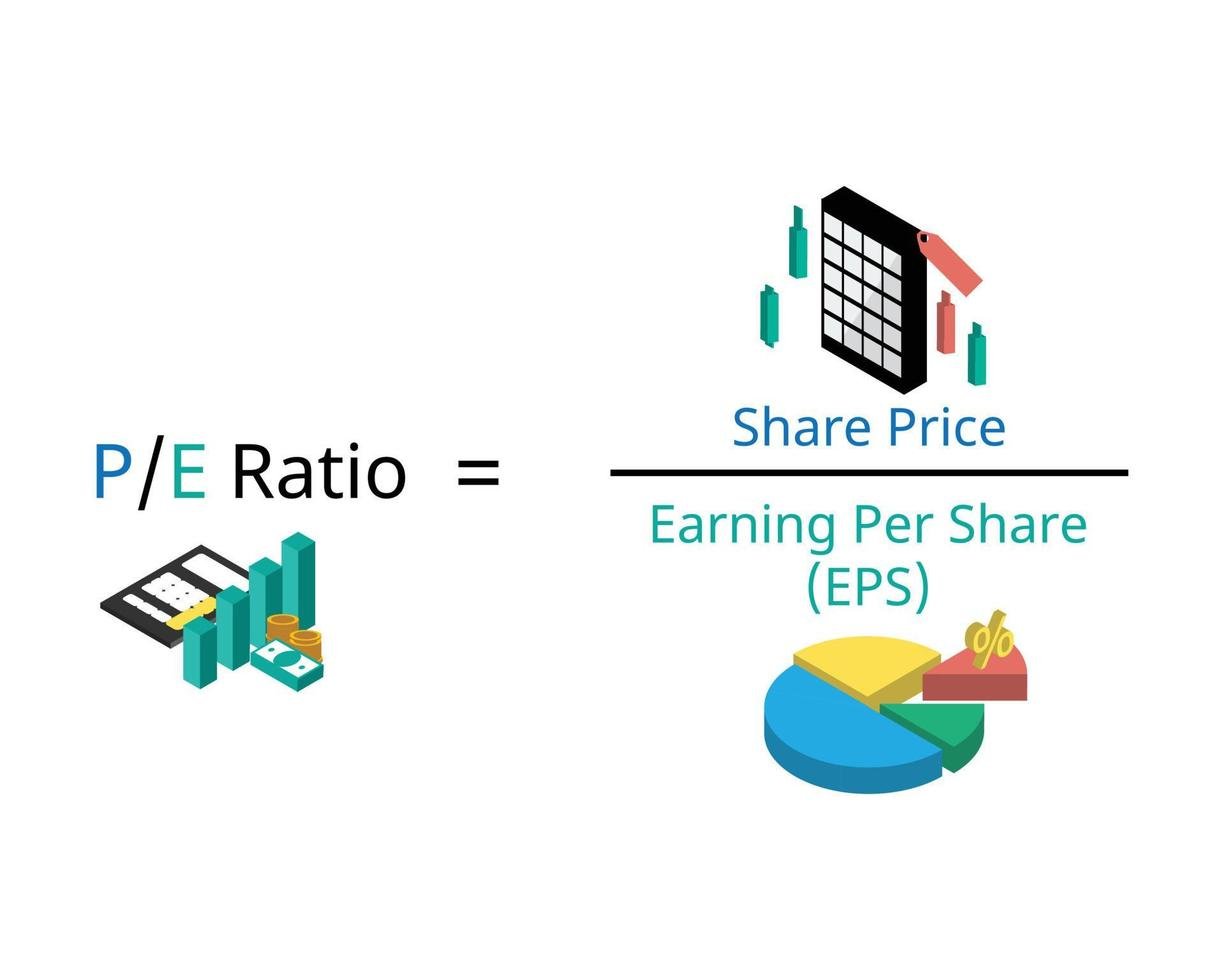
The Price-to-Earnings – PE ratio is one of the most widely used valuation tools in investing—but it can often mislead investors. While it seems simple, relying solely on P/E can result in poor decisions if deeper context is ignored.
For example, a company with a low PE ratio might look undervalued—but if its profits surged due to a one-off asset sale or if it’s saddled with debt, the ratio offers a false sense of safety. On the contrary, a company with high P/E ratio might be justified for a company which is expected to show massive growth. Some industries such as metals could have very low PE ratio because of their very high debt business fundamentals but this shall not be an indication of an investment in the same.
| Reasons | Impact on P/E Interpretation |
|---|---|
| One-time gains/losses | Distorts earnings; gives false valuation signal |
| High debt | Not reflected in P/E; hides financial risk |
| Negative or volatile earnings | Makes P/E meaningless or misleading |
| Industry variation | A “high” P/E might be normal in growth sectors |
| Growth expectations | P/E doesn’t account for future earnings potential |
| Subsidiary sales | Temporarily inflates EPS, lowering P/E falsely |
Better Ways to Assess Value
Use PEG ratio (P/E ÷ growth rate) to factor in earnings growth. Consider EV/EBITDA to incorporate debt. Ratios like Price-to-Book, Price-to-Sales, and Free Cash Flow yield offer insight when earnings are unreliable.
P/E is a useful starting point, not the final answer. To avoid falling for a valuation trap, combine P/E with balance sheet health, growth prospects, and industry context. What looks “cheap” may come at a hidden cost. If you want to read more about how banks could be a favorable investment, click here.
References:
www.investing.com